Article
Fitness
The Art of Unwinding: Cultivating Lifelong Flexibility

Most of us approach lifestyle changes with a strict sense of discipline, treating our muscles and minds like projects that need to be fixed. We push into resistance, expecting immediate results and deep transformation overnight. But lasting flexibility requires a gentle dialogue rather than an aggressive demand. When you begin your stretching routine, observe where you feel tight without judging the tightness. Ask yourself a simple question: What is this tension trying to tell me? This shift in mindset alters your entire approach. It allows your body to open up out of safety rather than force. When you honor your current limitations, your physical journey becomes a sustainable path toward long-term well-being and ease.
Let Softness Guide Your Daily Movement
It sounds counterintuitive, but softness is the secret to true physical depth. Most people try to force their way through tight muscles, gripping their jaws and tensing their shoulders as they push. In practice, tension cannot dissolve tension; only relaxation can invite space. Let your exhales melt the tightest areas. Let your body yield to gravity rather than fighting it. Allow yourself to ease off the intensity. Softness is not a sign of weakness; it is an intelligent strategy for release. When you stop fighting your body, it naturally rewards you by letting go and opening up completely.
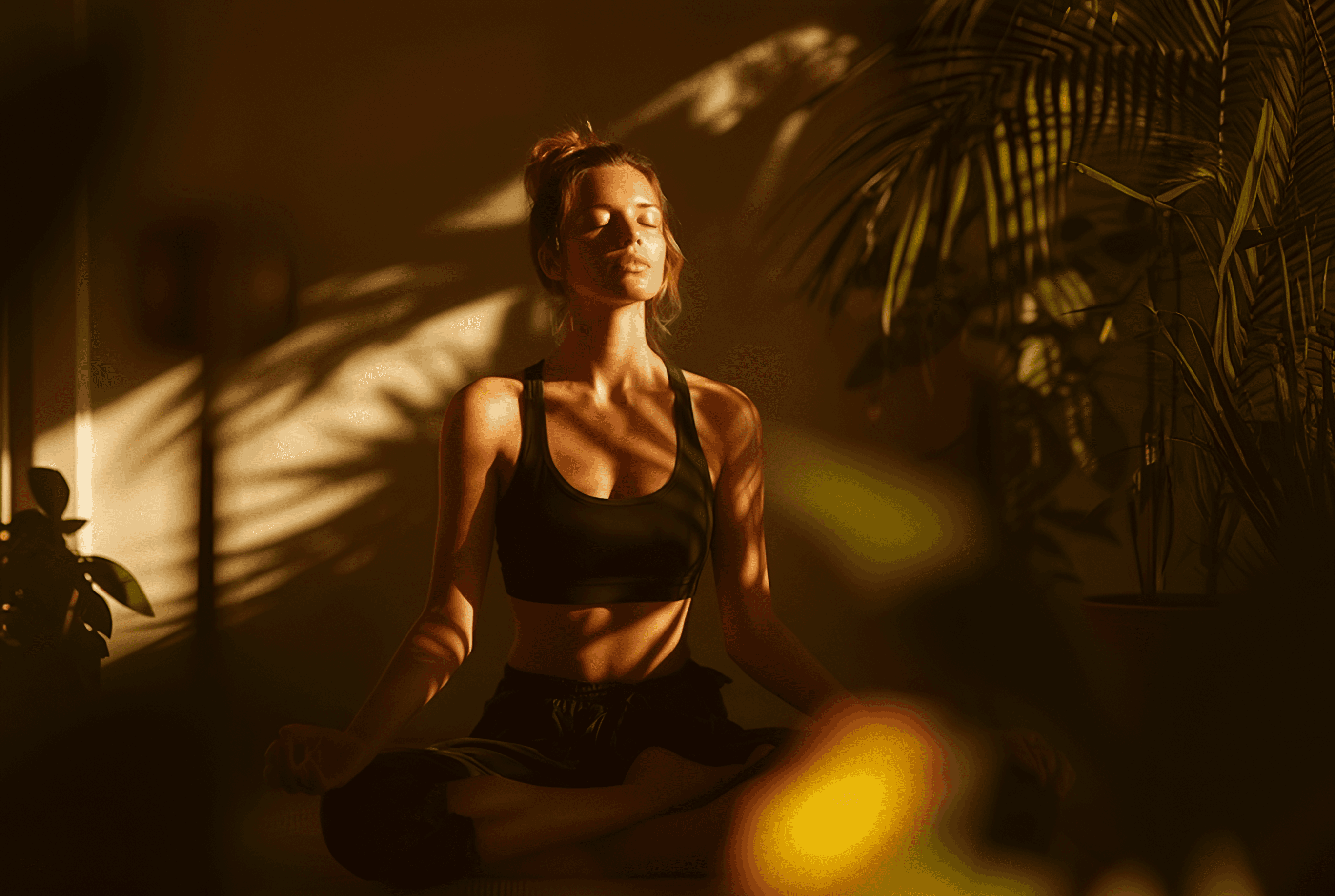
From Pushing Boundaries to Honoring Limits
Progress is often confused with breaking through barriers or forcing yourself into difficult positions. In a sustainable practice, progress is defined by self-respect and deep physical intuition. It means backing away from a stretch when your body signals a clear boundary, even if you want to push further. Real physical breakthrough occurs when we stop ignoring pain and start listening to subtle discomfort. This is an exercise in self-preservation rather than self-improvement. Some days your muscles will feel incredibly long and fluid; some days they will feel tight and restricted. Both experiences are normal. Both deserve respect.
Stretching out the muscles is only half the journey. The real magic happens in the recovery—the quiet moments between movements, the heavy release after a long pose, the spaces where your body integrates the work. We tend to rush through recovery because it feels lazy. Yet, in those quiet moments, your fascia relaxes and your circulation returns to balance. If you find yourself clock-watching or planning your next chore during a stretch, notice the impatience. Try remaining still for just thirty seconds more. There is nothing to achieve here. Let the quietness soothe your mind. Let it heal you.

